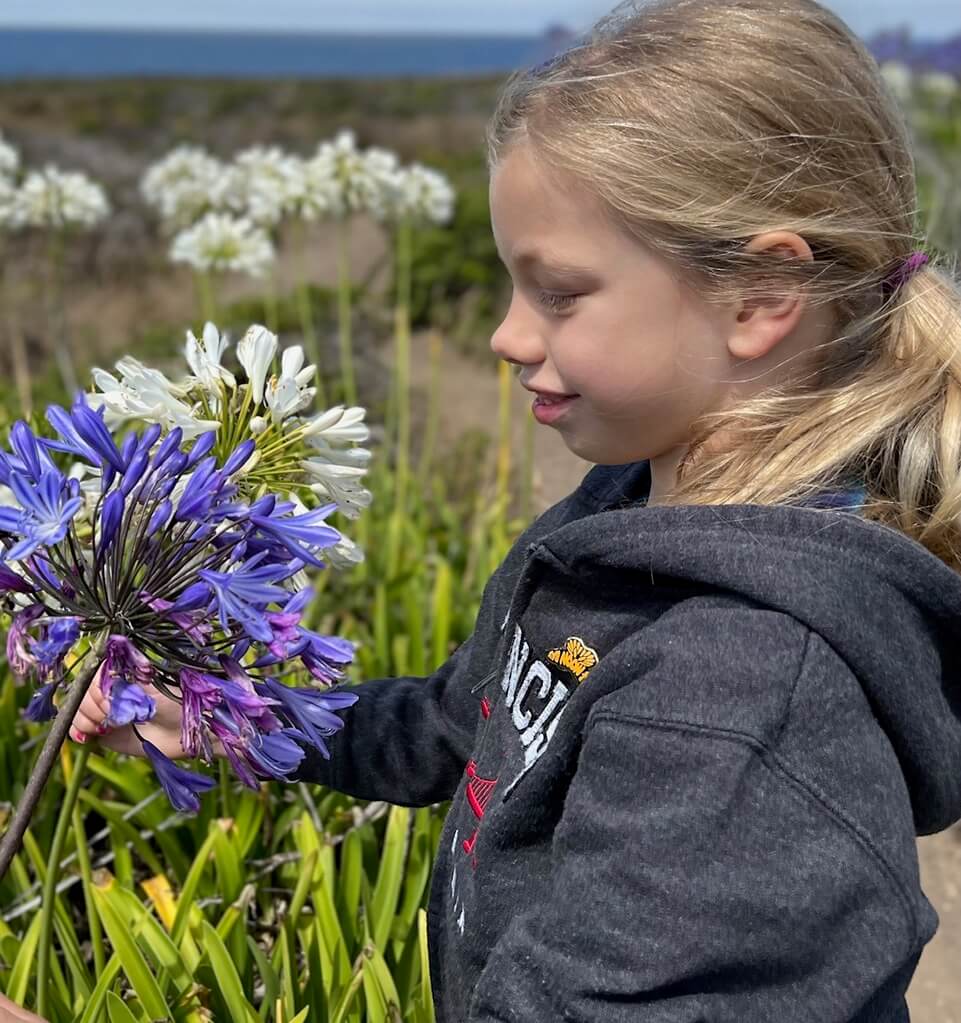
Spring transforms North Georgia’s mountains into a botanical wonderland. From late March through May, wildflowers carpet the forest floor, cling to rocky outcrops and drape over mountain streams in a succession of blooms that moves up the mountainsides as temperatures warm. Whether you’re a serious botanist or simply someone who appreciates natural beauty, North Georgia offers some of the Southeast’s most spectacular wildflower displays.
Timing Is Everything
North Georgia’s wildflower season isn’t a single event but a progression. Remember, lower elevations will bloom first, typically in late March, while higher elevations peak in late April and early May. This elevation progression means you can chase the blooms for nearly two months, following spring up the mountains.
The earliest bloomers include hepatica, bloodroot and spring beauties, which can even appear on the highest mountain peaks still dusted with snow. By mid-April, trilliums — the rock stars of Appalachian wildflowers — dominate the show. Late April and May bring mountain laurel, flame azalea and lady’s slippers to close out the season with spectacular color.
Vogel State Park: Accessibility Meets Diversity
Located near Blairsville, Vogel State Park offers one of the most accessible wildflower experiences in the region. The park’s diverse habitats — from lakeside to high ridges — support an impressive variety of species. The Bear Hair Gap Trail, a moderate 4-mile loop, passes through rich cove forests where trilliums, trout lilies and wild geraniums create carpets of color in April.
What makes Vogel special is its combination of easy access and rich diversity. You can see dozens of species without tackling difficult terrain, making it perfect for families or those with mobility limitations. The park’s naturalist programs often include wildflower walks led by knowledgeable guides who can identify even the trickiest species.
Amicalola Falls State Park: Waterfalls and Wildflowers
The area around Georgia’s tallest waterfall provides a stunning backdrop for spring wildflowers. The trails leading to and from Amicalola Falls wind through diverse forest types, each hosting different wildflower communities. The East Ridge Trail offers particularly good viewing, with colonies of yellow trilliums, Dutchman’s breeches and foamflowers thriving in the moist, shaded environment.
The contrast of delicate wildflowers against the thundering 729-foot cascade creates memorable photographs and experiences. Plan to spend at least half a day here, as the various trails at different elevations extend your wildflower viewing opportunities.
Sosebee Cove: A Botanical Treasure
Serious wildflower enthusiasts shouldn’t miss Sosebee Cove Scenic Area and Trail near Blairsville. This special area protects a hardwood forest that’s become legendary among botanists. The short, easy half-mile loop trail passes through what might be the most diverse wildflower display in Georgia.
In peak season — typically mid- to late April — you might see 20 or more species in bloom simultaneously. Large-flowered trilliums grow in massive colonies, their white blooms turning pink as they age. Rare species like yellow mandarin and showy orchis make appearances for those with sharp eyes. The cove’s rich, undisturbed soil and perfect microclimate create ideal conditions for wildflowers that have thrived there for centuries.
Sosebee Cove might be more crowded on spring weekends, so arrive early or visit on weekdays for a more contemplative experience. Staying on the designated trail is crucial here — these wildflower populations are fragile and irreplaceable.
Brasstown Bald Area: High-Elevation Specialties
Georgia’s highest peak and its surrounding areas host wildflowers that prefer cooler, higher elevations. The Jacks Knob Trail and areas around the visitor center showcase species you won’t find at lower elevations, including painted trillium and various rare orchids.
The higher elevation means blooms peak later here — often not until early May — effectively extending your wildflower season. The combination of sweeping mountain views and unique botanical finds makes the somewhat challenging trails worthwhile for serious hikers.
Tallulah Gorge State Park: Dramatic Settings
While famous for its stunning gorge, Tallulah also offers excellent wildflower viewing along rim trails and in surrounding forests. The Hurricane Falls Trail provides relatively easy access to spring blooms with the added drama of gorge views. Look for columbine clinging to rocky outcrops and numerous trillium species in the forested sections.
Cloudland Canyon State Park: Western Edge Wonders
On North Georgia’s western edge, Cloudland Canyon provides a different geological setting that hosts its own wildflower community. The canyon’s sandstone formations and diverse microclimates create habitats for species less common in other parts of North Georgia. The Waterfalls Trail, though steep, rewards hikers with both cascades and excellent wildflower displays in April and May.
Wherever you roam, be sure to bring a local field guide or download a plant identification app of your choice to enhance your experience. The more you learn to recognize, the more you’ll see. North Georgia’s spring wildflower season is fleeting but unforgettable — a reminder that some of Mother Nature’s most spectacular shows in nature are often the most easily missed if you are not paying attention to the little treasures. Happy trails.